



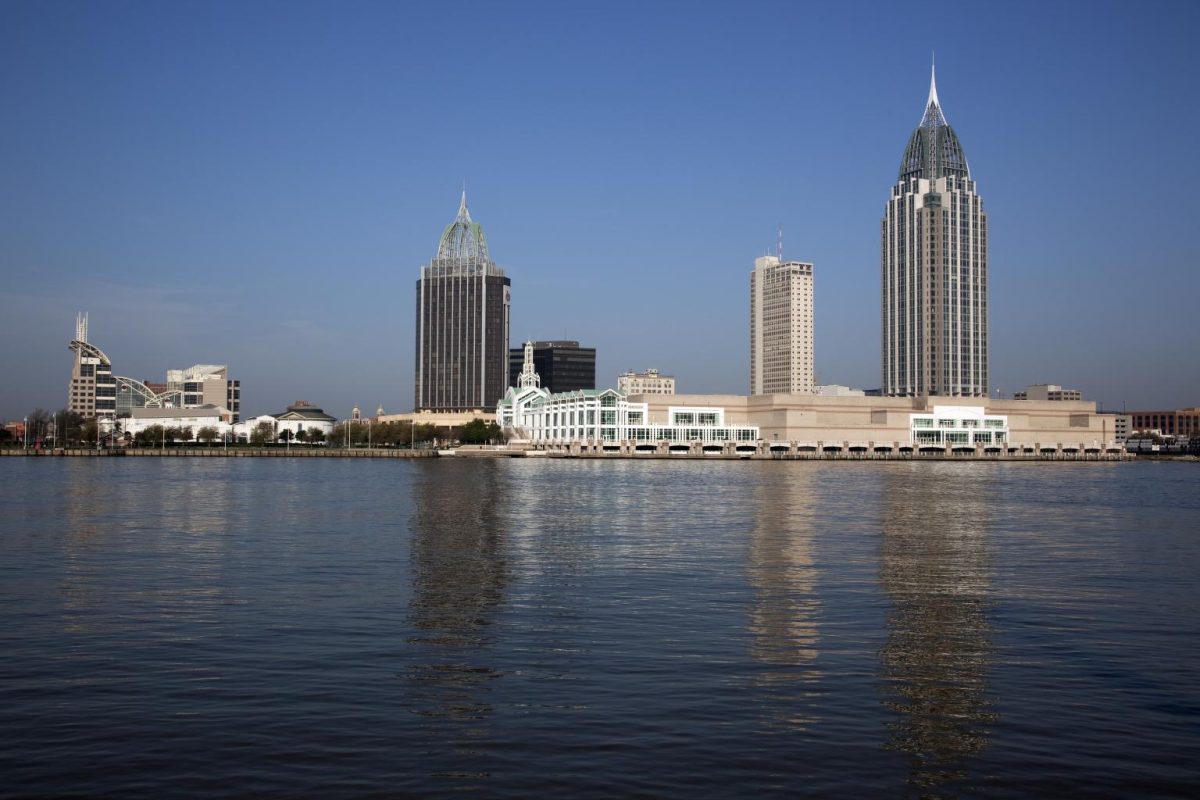




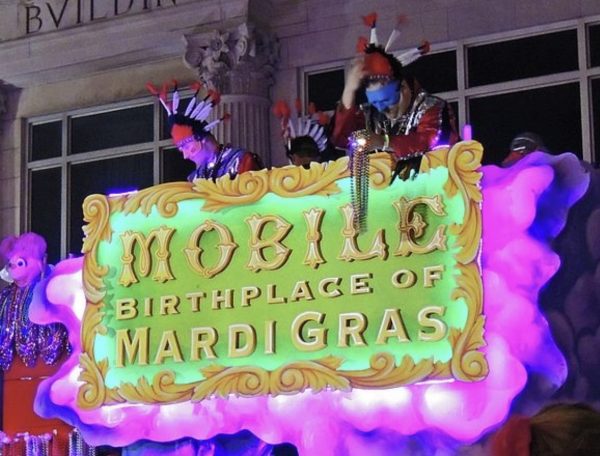
When most people think of Mardi Gras, they immediately think of New Orleans. The crowded streets, towering floats, and nonstop music. But just a few hours away, in Mobile, Alabama, there is a Mardi Gras tradition that is just as historic.
Both cities have a deep history in Mardi Gras. In fact, Mobile is home to the oldest organized Mardi Gras celebration in the United States, dating all the way back to 1703. New Orleans eventually turned Mardi Gras into an internationally recognized holiday. Today, while the two celebrations share a common origin, their modern expressions show how culture and community shape tradition.
In New Orleans, Mardi Gras season begins to feel “real” as early as King’s Day in January. Lucy Herbert, a senior at Spring Hill College, says. “King’s Day usually starts the Mardi Gras season,” Herbert said. “That’s when everything begins to ramp up at home in New Orleans.”
Senior Cecelia Haneman echoed this sentiment, noting the holiday’s strong ties to Catholic tradition. “King’s Day, which is usually widely celebrated within the Catholic Church,” Haneman said. “As a kid, this would be the first king cake of the season in my family.”
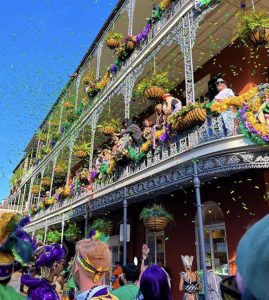
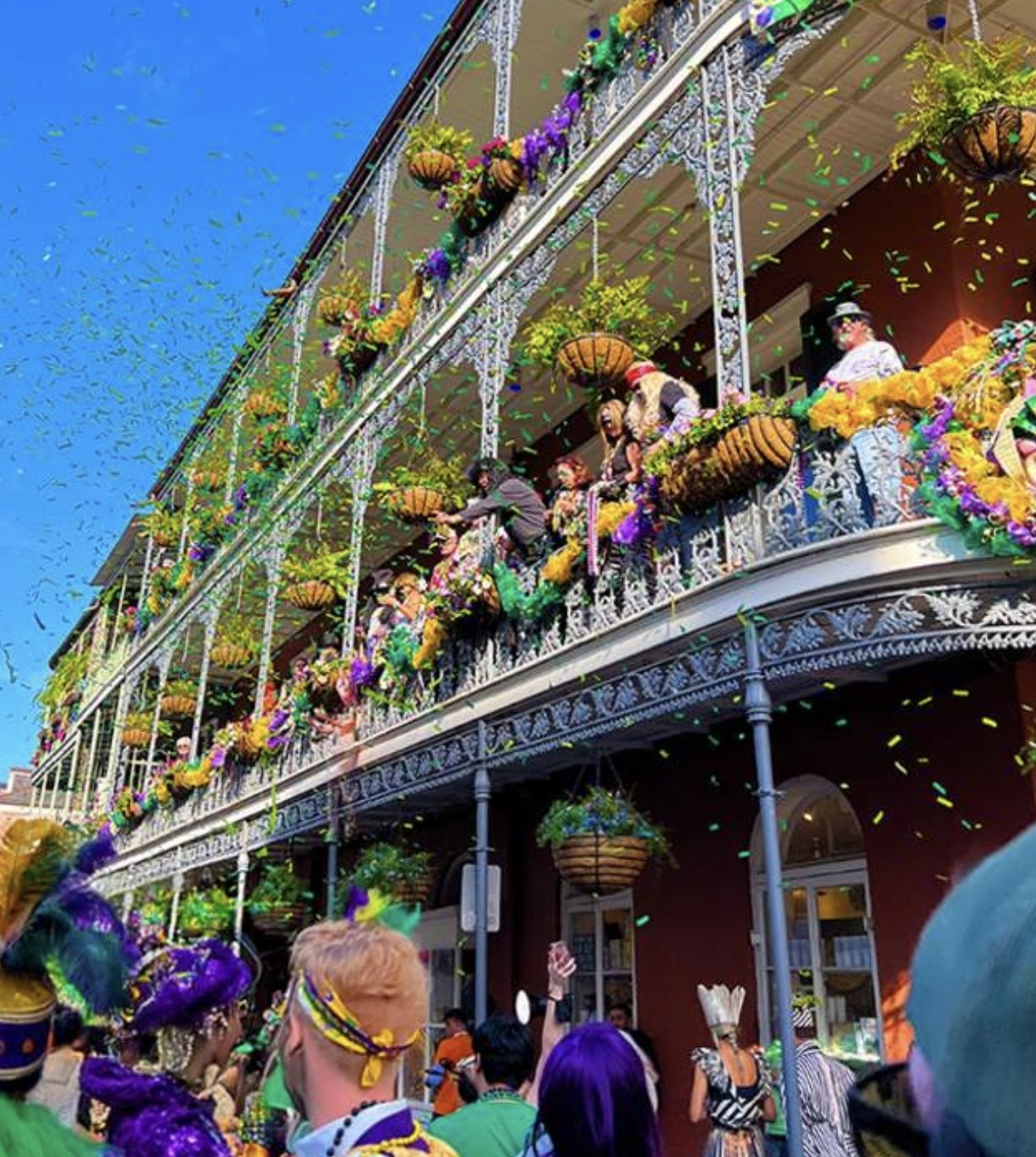
What sets New Orleans apart most, according to locals, is the scale. Large marching bands, massive floats, and constant live music dominate the streets. “The traditions that feel uniquely New Orleans are the music and definitely the specific kinds of floats you see during Mardi Gras,” Haneman said.
Mardi Gras also significantly impacts daily life in New Orleans. Streets are closed, schedules are rearranged, and the city seems to move collectively toward celebration. “It impacts almost everyone in New Orleans, whether you’re a parade-goer or not,” Haneman said. “It’s one of the best times of the year to be from NOLA.” Herbert added that despite the disruptions, the atmosphere is overwhelmingly positive, with “everyone just in a happy mood and all together.”
In Mobile, the celebration carries a different tone. Junior, Ella Vallas, says it’s one that many locals describe as more community-centered. There continues to be a large number of younger kids and families. Vallas, who grew up attending Mobile Mardi Gras events, believes the energy matches what people see on television, but with a more personal feel. “It’s so fun, and there’s always so much energy at every parade,” Vallas said.
Vallas explained that Mobile Mardi Gras can be viewed in multiple ways depending on personal experience. “I would say it’s community-focused,” Vallas said. “But some of my friends who have grown up on Mardi Gras balls would probably say it’s more formal.”
While Mobile is sometimes overshadowed by its larger neighbor, locals have mixed feelings about the comparison. “Sometimes I feel like we should be the most known for it,” Vallas admitted. “But I also like how it doesn’t get as crazy as New Orleans. We still have more fun and get more food thrown at us, but just not as crowded.” Vallas said that “the Mobilians appreciate the extra toys, moonpies, and food being thrown.”
Ultimately, both cities showcase Mardi Gras in ways that reflect their identities. New Orleans offers an expansive, high-energy celebration that takes over the city, while Mobile preserves a tradition rooted in community, history, and accessibility. Together, they prove that Mardi Gras is a shared tradition shaped by the people who celebrate it.
As the Mardi Gras celebrations and parades continue through February 17, go out and celebrate in downtown Mobile for Fat Tuesday. There will be parades from 10:30 a.m. through 6 p.m.
-
Louisiana Mardi Gras
-
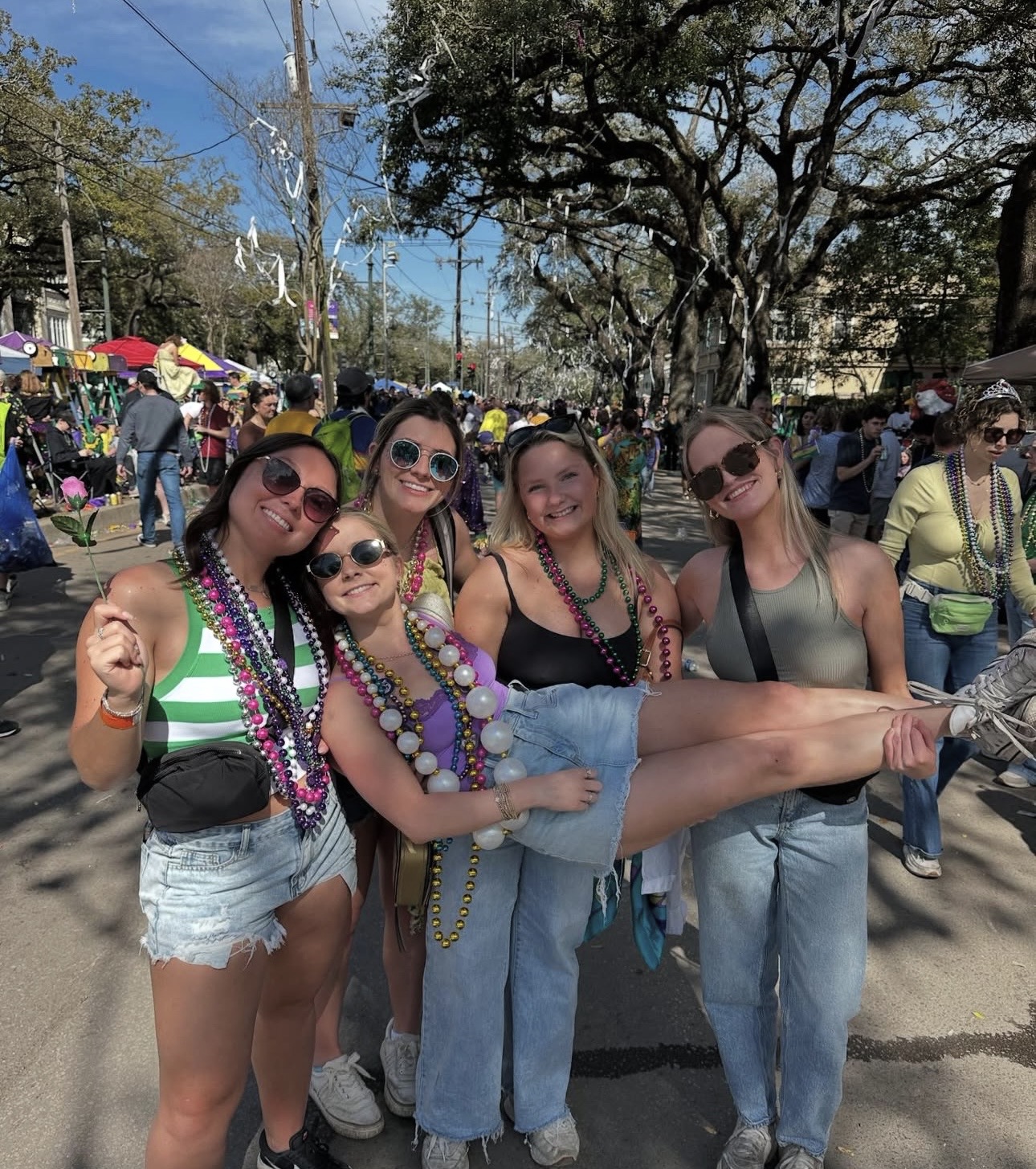
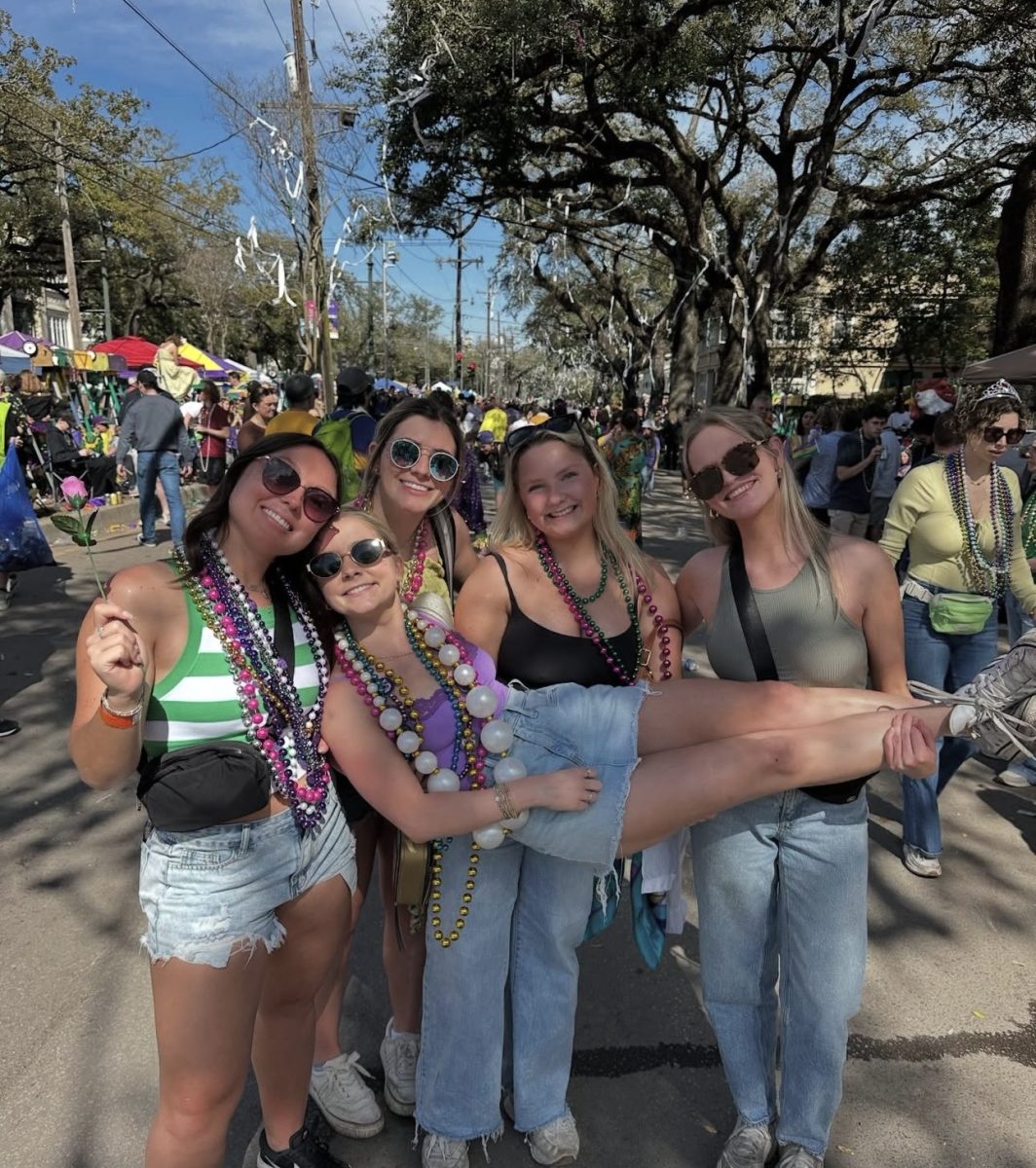
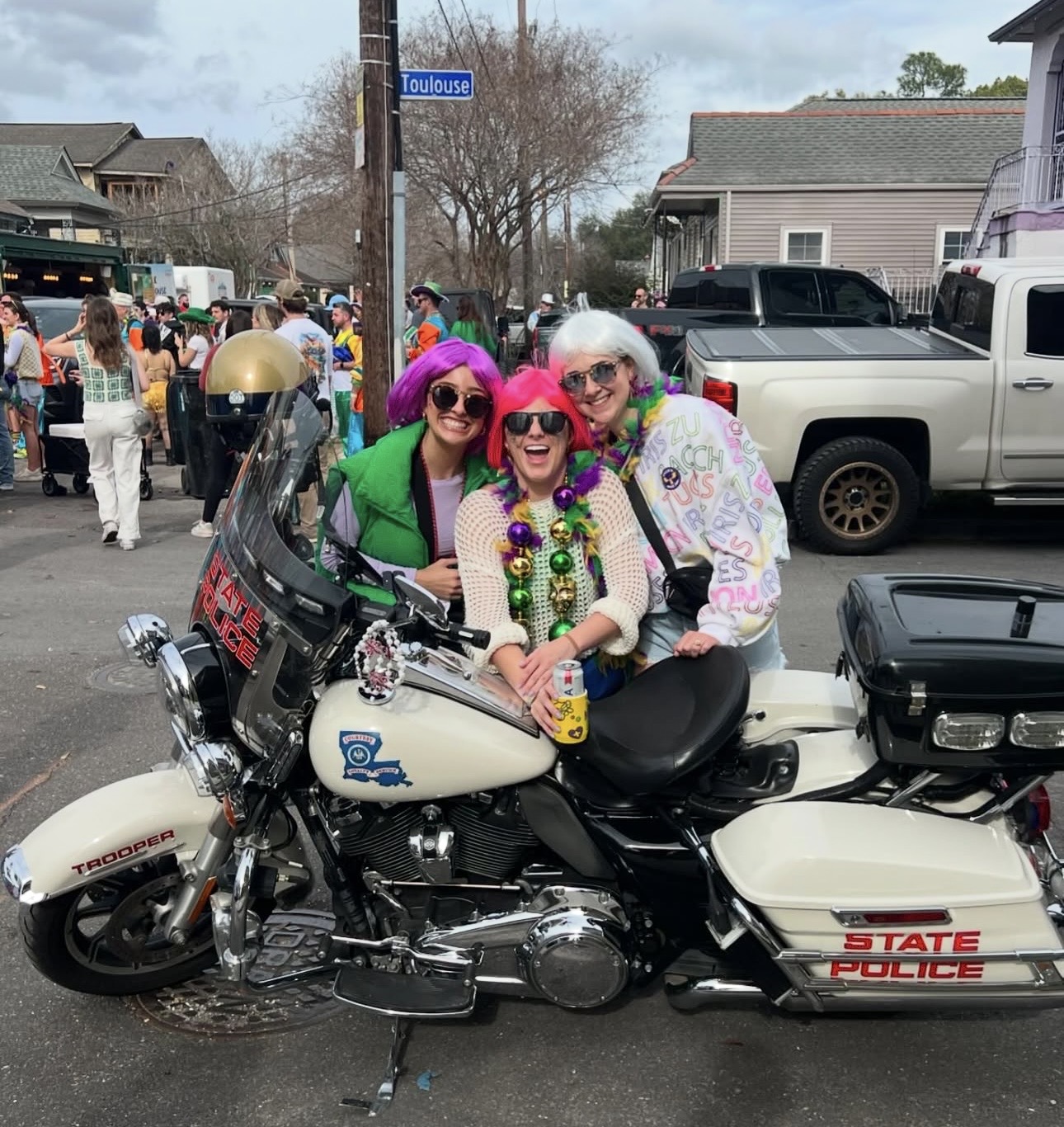
Photo of Lucy Herbert ‘26 and Cecelia Haneman ‘26 celebrating Mardi Gras at home
-
Photo from Lucy Herbert ‘26