











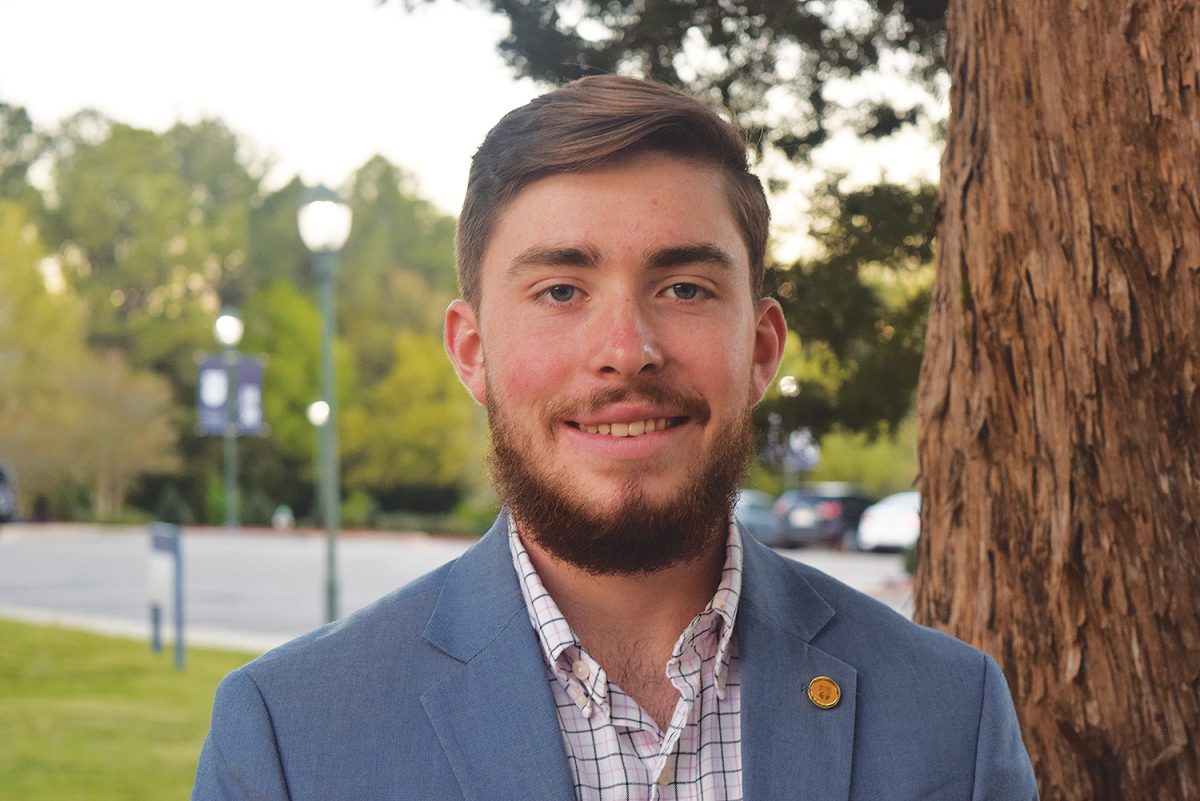



Spring Hill College has a new voice representing its student body. Toba Rios has been named the new Student Government Association (SGA) President, stepping into a role that plays a key part in shaping daily life on campus.
As SGA President, Rios aims to strengthen the connection between students and administration while making student government more visible and effective. His focus is clear: increase involvement and turn student concerns into real action.
“My two largest goals this year are to get the student body more involved and fix real problems on campus with effective communication,” Rios said.
A major part of that plan is changing how students see SGA. Rather than being a distant organization, Rios wants it to feel accessible and impactful. “I want students to see SGA as a group of people who can take their voice and turn it into action,” he explained.
To achieve that, Rios is focusing on improving engagement across campus. “I plan on turning student engagement around by advertising events more effectively using social media, word of mouth, and SGA committees,” he said.
That vision is already being supported by Vice President Evan Patton, who emphasized that the current leadership team is focused on solving everyday issues that directly affect students.
“Toba and I have been working hard to fix a lot of the school’s problems that affect our day-to-day lives, like laundry and caf issues,” Patton said. “That’s our main focus right now.”
Improving student life also means creating more opportunities to get involved. According to Patton, SGA is working closely with clubs and organizations to make campus more active and engaging.
“We really want to get students more involved by collaborating with other clubs and student organizations to put on events that students actually enjoy,” he said. “We want there to be something for students to do at all times, so no one is sitting in their room alone when they could be doing fun activities.”
At the same time, SGA leadership is emphasizing results. Patton pointed to early improvements already visible on campus.
“We really value students’ concerns because we are here to represent them,” he explained. “I would say that results are already being seen with the dryers working in Viscardi Hall and the solar lights around campus.”
Still, both Rios and Patton agree that communication with students will remain key moving forward. Gathering feedback and responding to it will be essential to maintaining trust and making further progress.
At the core of their message is a simple idea: representation only works if students are involved. “Students should care about SGA because we care about them and the problems they have,” Rios said. “We want to communicate that to faculty and effectively turn it into action.”
As this new leadership team begins its term, the goal is not just to lead, but to make sure students feel heard and see real results on campus.